Alan Wake 2 – Complete Review
Alan Wake 2 is not simply a sequel released years later to capitalize on nostalgia; it is a deliberate, confident reinvention of what the Alan Wake series represents. Developed by Remedy Entertainment and published by Epic Games Publishing, Alan Wake 2 was released on October 27, 2023, for PlayStation 5, Xbox Series X|S, and PC. The thirteen-year gap since the original Alan Wake might seem excessive in an industry obsessed with rapid releases, but that time allowed Remedy to refine its vision, technology, and narrative ambition. The result is a game that feels mature, unsettling, and unapologetically focused on psychological horror rather than mainstream action. Review sponsored by BrosGames.io
Basic Concept and Setting
Alan Wake 2 is a third-person survival horror game that blends investigative gameplay with deeply layered storytelling. The game is set primarily in the eerie Pacific Northwest town of Bright Falls and its surrounding areas, locations that return from the original game but are now presented with far greater detail and atmosphere. At the same time, the story introduces a parallel nightmare dimension known as the Dark Place, a distorted reality shaped by fear, memory, and narrative logic.
Unlike the first game, which focused solely on Alan Wake, the sequel introduces a second playable protagonist: Saga Anderson, an FBI agent investigating ritualistic murders linked to a mysterious cult. The narrative alternates between Saga and Alan, with players able to switch perspectives at specific points. This dual-protagonist structure is not a gimmick; it is fundamental to how the story unfolds and how the player interprets events.
Story and Narrative Design
Storytelling is the defining pillar of Alan Wake 2. Remedy has always been known for its narrative ambition, but this game represents their most confident and experimental work to date. The plot explores themes of identity, authorship, trauma, and the dangerous power of storytelling itself. Alan Wake, still trapped in the Dark Place, attempts to write his way out of the nightmare, while Saga tries to make sense of increasingly surreal events in the real world.
What makes the narrative especially compelling is its refusal to over-explain itself. The game trusts the player to piece together clues, interpret symbolism, and accept ambiguity. Live-action sequences, fragmented monologues, in-universe manuscripts, and environmental storytelling are woven seamlessly into the experience. This approach will not appeal to everyone, but for players who enjoy layered narratives and psychological complexity, it is deeply rewarding.
Saga Anderson is a standout addition. She is written as intelligent, grounded, and emotionally believable, providing a strong contrast to Alan’s increasingly fractured mental state. Her perspective anchors the story and prevents it from collapsing entirely into abstraction.
Gameplay and Mechanics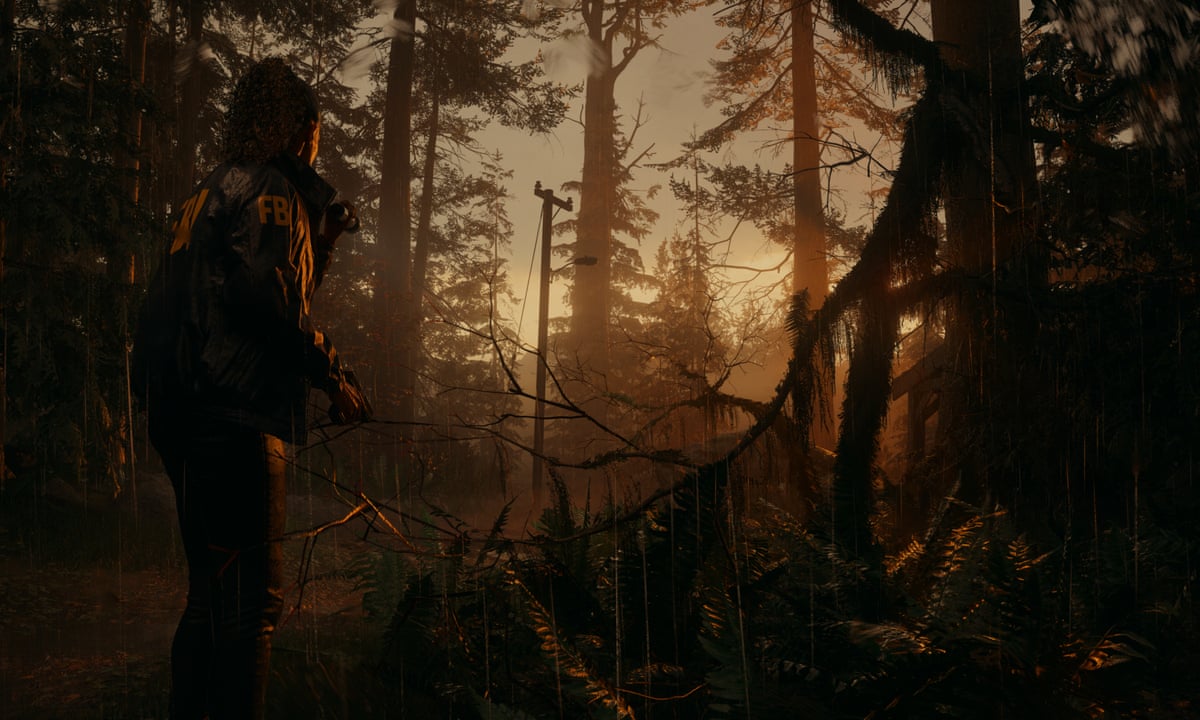
Alan Wake 2 marks a significant shift from the action-heavy gameplay of the original. This is, first and foremost, a survival horror game. Resources such as ammunition, batteries, and healing items are limited, forcing players to think carefully about each encounter. Combat is deliberate and tense rather than fast-paced.
Light remains an important mechanic, but it is no longer the sole focus. Enemies are dangerous even when weakened, and running away is often the smarter choice. Weapons have weight, reload times matter, and positioning is crucial. This slower pace reinforces the game’s oppressive atmosphere and keeps tension high throughout.
Saga’s gameplay introduces investigative elements through the “Mind Place,” a conceptual mental space where players organize evidence, profile suspects, and connect narrative threads. While it could have been a simple menu system, Remedy uses it as a storytelling tool that reflects Saga’s analytical mindset.
Alan’s sections, by contrast, focus on reality manipulation through narrative rewriting. By altering story elements, players can change environments and unlock new paths. These mechanics are not mechanically complex but are thematically rich, reinforcing the idea that words shape reality.
Graphics and Art Direction
Visually, Alan Wake 2 is one of the most impressive games of its generation. Remedy’s Northlight engine delivers exceptional lighting, detailed character models, and richly textured environments. Forests feel dense and claustrophobic, interiors are lit with unsettling realism, and the Dark Place is genuinely nightmarish without relying on cheap visual tricks.
The game makes heavy use of dynamic lighting and shadow, not just for aesthetics but for mood and tension. Facial animations deserve special mention; subtle expressions add emotional weight to conversations, making even quiet moments feel intense.
On PC, the game supports advanced features such as ray tracing and DLSS, though these come with steep hardware requirements. On consoles, Alan Wake 2 runs smoothly in both quality and performance modes, with minor compromises depending on player preference.
Audio and Sound Design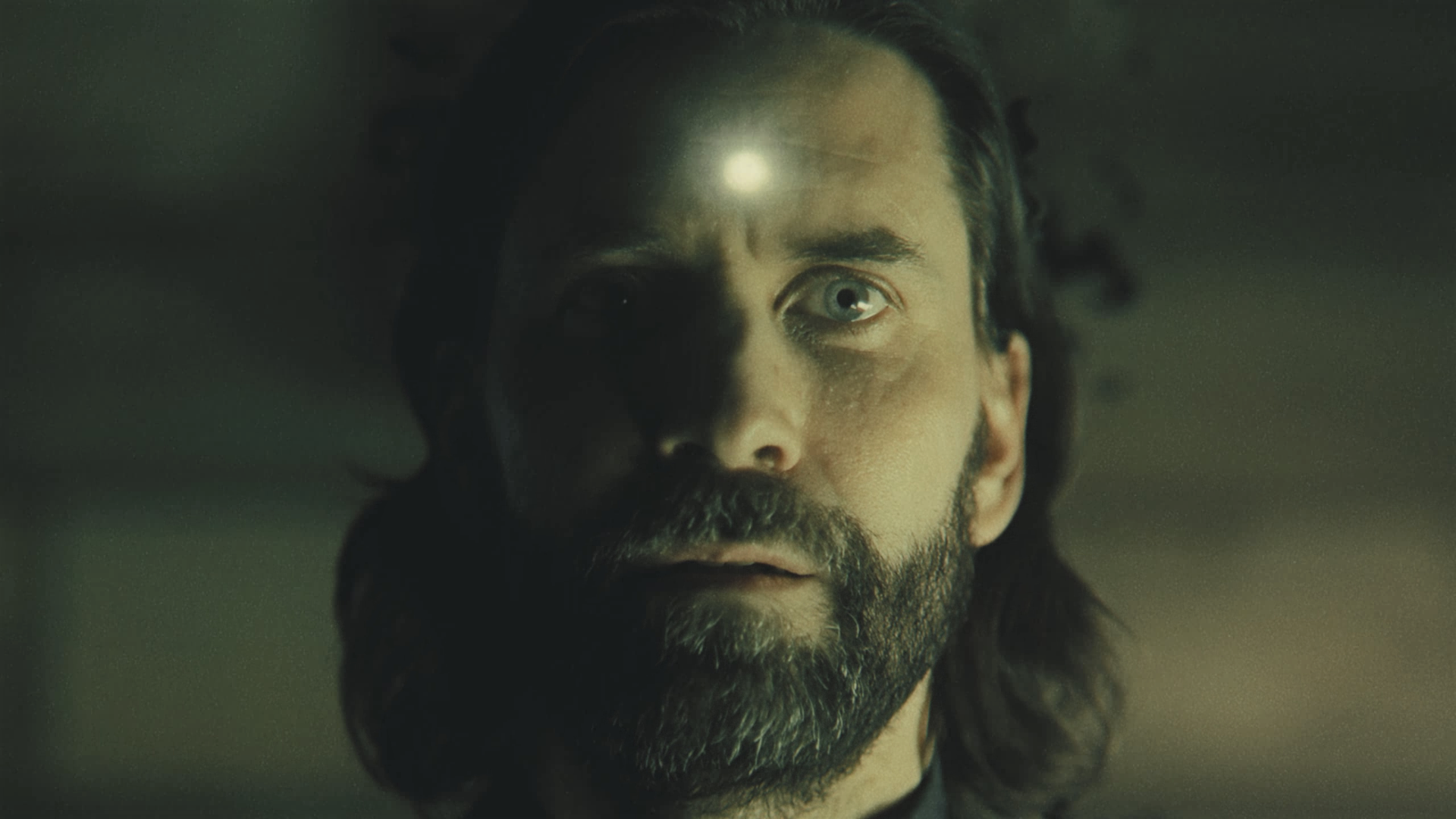
Sound design is another area where Alan Wake 2 excels. Ambient noises, distant whispers, and environmental sounds constantly keep the player on edge. The music is used sparingly but effectively, often fading into silence to heighten tension.
Voice acting across the board is excellent, particularly Matthew Porretta as Alan Wake and Melanie Liburd as Saga Anderson. Their performances add emotional depth and authenticity to the narrative. Remedy also continues its tradition of memorable licensed music moments, which are integrated in ways that feel purposeful rather than flashy.
Game Modes and Replayability
Alan Wake 2 is a single-player experience with no multiplayer modes. While this may disappoint players looking for replayable content, the game’s structure encourages multiple playthroughs. Narrative details, hidden manuscripts, and alternate interpretations become more apparent on subsequent runs.
New Game Plus mode adds further incentive to revisit the story, offering subtle narrative changes and increased challenge. However, this is not a game designed for endless replayability; its strength lies in the depth and impact of its first complete experience.
System Requirements (PC)
Minimum requirements include a modern quad-core CPU, 16 GB of RAM, and a mid-range GPU such as an RTX 2060 or equivalent. Recommended settings demand significantly more powerful hardware, especially for ray tracing. An SSD is strongly advised due to asset streaming and load times.
Strengths and Weaknesses
Alan Wake 2’s greatest strength is its confidence. It knows exactly what kind of game it wants to be and refuses to compromise. The narrative is bold, the atmosphere is relentless, and the presentation is top-tier.
Its main weakness lies in accessibility. The slow pacing, limited combat, and complex storytelling may frustrate players expecting a more traditional horror-action game. Technical demands on PC can also be a barrier.
Verdict
Alan Wake 2 is a rare example of a sequel that elevates its source material rather than simply continuing it. It is unsettling, intelligent, and artistically ambitious, offering an experience that feels closer to an interactive psychological thriller than a conventional video game. While it will not appeal to everyone, those willing to engage with its themes and pacing will find one of the most memorable horror experiences of the decade.
Final Verdict:
Alan Wake 2 is not just a great sequel – it is a statement piece that proves video games can tell complex, challenging stories without sacrificing atmosphere or identity.
